J. Peter St. Clair, DMD, PC

THE LINK – PART 2/3

May 28, 2019

If you missed Part 1 of this series, you can find it at www.thetowncommon.com.

I ended last week with a statement that I have used numerous times before – just because it doesn’t hurt doesn’t mean there isn’t a problem. We keep learning more and more about the link between the mouth and the rest of the body. It is essential that dentists and physicians do a better job at co-managing patients, and learn more about the relationship between oral and systemic disease.

It is clear that if you want to take better care of yourself, you need to take better care of your mouth. Familial history is very important. If… (Read More)

THE LINK – PART 1/3

May 20, 2019

The connection between oral health and systemic health is well-established and ever-evolving. One thing we know for certain; we are living longer, but with more chronic diseases and medication than ever before.

The latest statistics are alarming. Forty-seven percent of US adults who are age 30 or older – an estimated 64.7 million Americans – have either mild gum disease (8.7%), moderate gum disease (30%) or severe gum disease (8.5%). As the population ages, the prevalence rises with 70% of individuals over the age of 65 exhibiting some level of gum disease. And, since we are on statistics, by 2030, it is estimated that the… (Read More)

BAD INFO

May 13, 2019

In an online report I recently read by Men’s Health Magazine, they listed 9 “healthy” habits that they claim are a waste of time. Three of them had to do with oral health. Let’s take a look.

The first on the waste of time list was to see your dentist twice per year. I have seen this reported somewhere else in the media recently. According to Men’s Health, close to 30 studies have apparently found no conclusive evidence supporting a need to see a dentist every 6 months. They went on to say, “If your teeth and gums are healthy, once per year is enough to catch developing problems.”

I absolutely agree.… (Read More)

BACK TO THE BASICS

May 6, 2019

Every once in a while someone will say, “There must be a lot less cavities today than there were years ago because of improved home care, fluoride, etc., right?” The answer is, yes there are, but there is still way too much decay. Poor diet and home care are the two most common culprits leading to decay.  When and what you eat and drink is important. Improvement in home care means changing what is being done now, and requires discipline.

Yesterday, I went into one of my hygienist’s rooms to check her patient, a 13-year-old boy, and asked the hygienist how his home care was, because his gums were bright red. She said… (Read More)

BREATHING IS IMPORTANT – PART 2

April 29, 2019

Last week I introduced Part 1 of “Breathing is Important”. For this week’s column to make the most sense, I would encourage you to read that column first. It can be found at www.thetowncommon.com.

In case you don’t have a chance to read it, here is a brief recap: I have been involved in treating patients with sleep apnea for a few years. These are patients who have been diagnosed with sleep apnea by a physician, but were unable or unwilling to use a CPAP machine. The next line of defense to treat this progressive disease is a dental appliance which prevents the lower… (Read More)

BREATHING IS IMPORTANT – PART 1

April 22, 2019

About seven years ago I took a weekend course at Tufts University School of Dental Medicine entitled “Sleep Dentistry”. This was not a course in putting patients to sleep for their dental work. This particular course was an introduction to treating people who had been diagnosed with sleep apnea (a sleep breathing disorder) by a medical doctor, and could not (or would not even consider) the use of the dreaded CPAP machine.

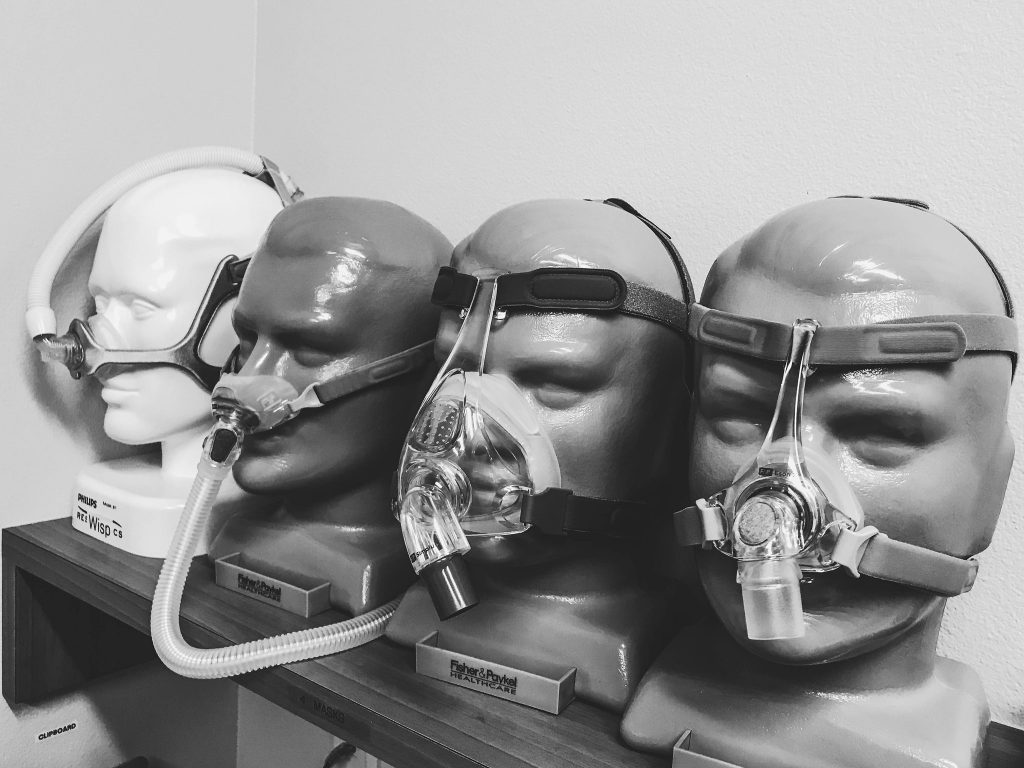
CPAP, which stands for Continuous Positive Airway Pressure, is a facial mask which blows air through the nose to create an “air stent” to basically hold the airway open during sleep. Patients with… (Read More)

5 REASONS PEOPLE AVOID THE DENTIST

April 16, 2019

Kids from the area have their teeth checked out and cleaned during Free Dental Clinic DAy at 360 W 125th St in Manhattan Sherard Weathers has second thoughts when the work begins Original Filename: 6d800k0n.JPG

There are five major reasons that people do not get the necessary dental care they need. They are money, time, lack of concern, fear and trust. Let’s take a quick look at each one and see if any of them fit you, or anyone you know. I’ll also discuss what dentists often try to do to overcome these obstacles for patients.

Although you may think that money would be the number… (Read More)

Here’s Why Seeing Your Dentist May Save Your Life

April 14, 2019

Everyone knows that they should see their dentist from time to time for cleanings and checkups. But these visits can do more than prevent cavities. In fact, they just may save your life. That’s because dentists are trained to catch serious health conditions in their earliest stages, including oral cancer. Let’s see what your dentist can do to help protect you from this potentially life-threatening disease.

(more…)

AGE BEFORE BEAUTY

April 8, 2019

In this age of reality TV and other unrealistic propaganda, many people, including teenagers, are making changes to improve their appearance. And for teenagers, physical appearance is an important element of peer pressure. When it comes to the desire for whiter teeth however, age does play a role.

Whether teeth whitening is done by a dentist or with over-the-counter products, no one under the age of 14 should be whitening their teeth. Even though all the permanent teeth may be in by this age, teeth are still developing. Once the permanent teeth have erupted into the mouth, called active eruption, you may notice that the… (Read More)

DENTISTRY IN THE NEWS – PART 2

April 1, 2019

Last week I discussed some of the content that was presented in a recent U.S. News & World Report which featured seven pages of information on dentistry. This is a continuation of that.

One of the columns in this section of the report entitled, “Guarding Kids’ First Choppers”, mentions that childhood tooth decay is “the most prevalent chronic disease in children”. This is true. According to the report, 28 percent of preschoolers have dental decay. There are many factors that contribute to dental decay, including poor dietary habits and insufficient oral hygiene. This increase is not only in preschoolers but right through high school.

(Read More)