March 21, 2022

It is not uncommon for me to get a strange look when I ask a patient about snoring in the dental office. After an explanation about some of the reasons I include this on my medical history form, the patient will often say, “Well, I don’t snore but my spouse (usually husband) does. In fact, we sleep in separate bedrooms.”

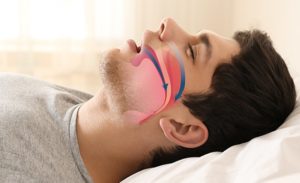
A better way to ask someone about snoring is to ask, “Have you been told you snore?” Snoring can be a huge nuisance to the bed partner and is actually very detrimental to both people. For those without a bed partner, snoring can be assessed with apps such as Snore Lab, which measures snoring levels… (Read More)


March 7, 2022

I understand that periodontal disease is a major cause of tooth loss in adults, but is there anything I can do about it?

Gum disease—periodontal disease—often progresses slowly, without pain, over a long period of time. This is one reason why it is common among older adults. The longer the disease goes undetected and uncontrolled, the more damage it causes to gums and other supporting tissues. Although periodontal disease is caused by bacteria, other factors can increase the risk or severity of the condition. These include food left between the teeth, tobacco use, badly aligned teeth, ill-fitting bridges or partial dentures, poor diets and some systemic diseases such as diabetes.

Although periodontal disease is common,… (Read More)

February 28, 2022

Liz H:  I was recently told by a dentist that I need a root canal, a post, periodontal crown lengthening surgery and a crown. The total cost of treatment is $3500! Do I have any alternatives?

That is a difficult question to answer without seeing the specific case, but here are some thoughts. There are quite a few things to consider. The first is the general condition of the teeth. If you have numerous other dental problems that need to be addressed, you must prioritize these and decide if the cost of doing them all is something you can afford, or if treatment needs to be spread out over time. The last thing you want… (Read More)

February 22, 2022

Isn’t tooth loss inevitable in the later years?

Today, older adults are keeping their natural teeth longer because of scientific developments and the preventive emphasis in dentistry. This improvement was seen in the results of a survey released by the National Institute of Dental and Craniofacial Research. They showed that among persons in their 50’s and 60’s, the rate of losing all teeth has dropped 60 percent since 1960.

Good oral hygiene and regular dental care are important throughout your life, whatever your age. By practicing good oral hygiene at home and visiting your dentist regularly, you will prevent dental problems and save time and money as well.

There are two things that cannot be… (Read More)

February 14, 2022

This week the topic has nothing to do with dentistry. It is a topic that some will be able to relate to and others may not. It is a topic that some may appreciate and others may criticize. It may be something you have thought about before or maybe have never thought about. It is about thinking outside the box and being comfortable with the uncomfortable.

Regardless of your line of work, there comes a point when we all get comfortable with where we are and how we do things. Initially, that is a good feeling, but eventually it is a feeling that challenges us in our own growth. It is impossible to go through… (Read More)

February 7, 2022

In last week’s column, I wrote about some specific differences between dentists and dental practice philosophies. But, what makes for an ideal doctor, dentist, nurse, physical therapist, or any other care giver? Patients shared their views in a study which appeared in an issue of Mayo Clinic Proceedings. It’s based on nearly 200 patients treated at the Mayo Clinic in Arizona and Minnesota.

In phone interviews with people who had no professional ties with the Mayo Clinic, the patients described their best and worst experiences with their Mayo Clinic doctors, with confidentiality guaranteed. The doctors seen by the patients came from 14 medical specialties.

Here are the seven traits listed by the patients, along with… (Read More)

January 31, 2022

No two dental practices are alike! Each takes on the characteristics of the practitioner and the supporting team. Every office/patient interaction is the key to how that office “feels” when you walk in the door.  Some practices may feel “clinical and efficient”, while others feel somewhat more home spun and laid back.  This approach is often reflected in the office’s treatment preferences as well.

In my experience, all dentists will suggest what they feel to be the very best plan for any given patient.  The differences between the treatment suggested by one dentist and that of another reflects that dentist’s preferences based on his or her experience. Thus, differing treatment plans do not necessarily reflect… (Read More)

January 24, 2022

Studies have shown a link between teeth grinding, clenching and headaches. There are also links to people who have sleep breathing disorders, and those who take serotonin uptake inhibitors (SSRI). Some brand names of these drugs are Celexa, Lexapro, Prozac, Paxil and Zoloft. Many people grind and clench their teeth for many different reasons – let’s not forget STRESS!

For people who grind or clench, the muscles that open and close the jaw can become painful from overuse, causing a range of symptoms from tension to migraine headaches to jaw joint (TMJ) problems to tooth pain. Here is a simple test – look at your tongue in the mirror without sticking it out. Are the… (Read More)

January 17, 2022

Last week I introduced Part 1 of “In Search of Better Sleep”. For this week’s column to make the most sense, I would encourage you to read that column first. It can be found at www.thetowncommon.com.

In case you don’t have a chance to read it, here is a brief recap: I have been involved in treating patients with sleep apnea for a few years. These are patients who have been diagnosed with sleep apnea by a physician, but were unable or unwilling to use a CPAP machine. The next line of defense to treat this progressive disease is a dental appliance which prevents the lower jaw from falling back during sleep. Despite all… (Read More)

January 10, 2022

Almost ten years ago I took a weekend course at Tufts University School of Dental Medicine entitled “Sleep Dentistry”. This was not a course in putting patients to sleep for their dental work. This particular course was an introduction to treating people who had been diagnosed with sleep apnea (a sleep breathing disorder) by a medical doctor, and could not tolerate (or would not even consider) the use of the dreaded CPAP machine.

CPAP, which stands for Continuous Positive Airway Pressure, is a facial mask which blows air through the nose to create an “air stent” to basically hold the airway open during sleep. Patients with sleep apnea have been diagnosed with a progressive disease… (Read More)